Florida ADU Laws Explained for Investors
Accessory Dwelling Units (ADUs) are quickly becoming one of the most profitable real estate strategies in Florida.
For investors, ADUs offer the opportunity to:
- increase rental income
- add value to a property
- create flexible living spaces
- build affordable housing units
However, Florida ADU regulations are not uniform across the state. Unlike California, where ADUs are regulated statewide, Florida regulations are mostly controlled by local municipalities and counties.
Understanding how ADU laws work in Florida can help investors avoid permit issues, stop-work orders, and costly redesigns.
In this guide, we explain Florida ADU laws, zoning rules, and the permit process, with a focus on what investors need to know before building.
What Is an ADU?
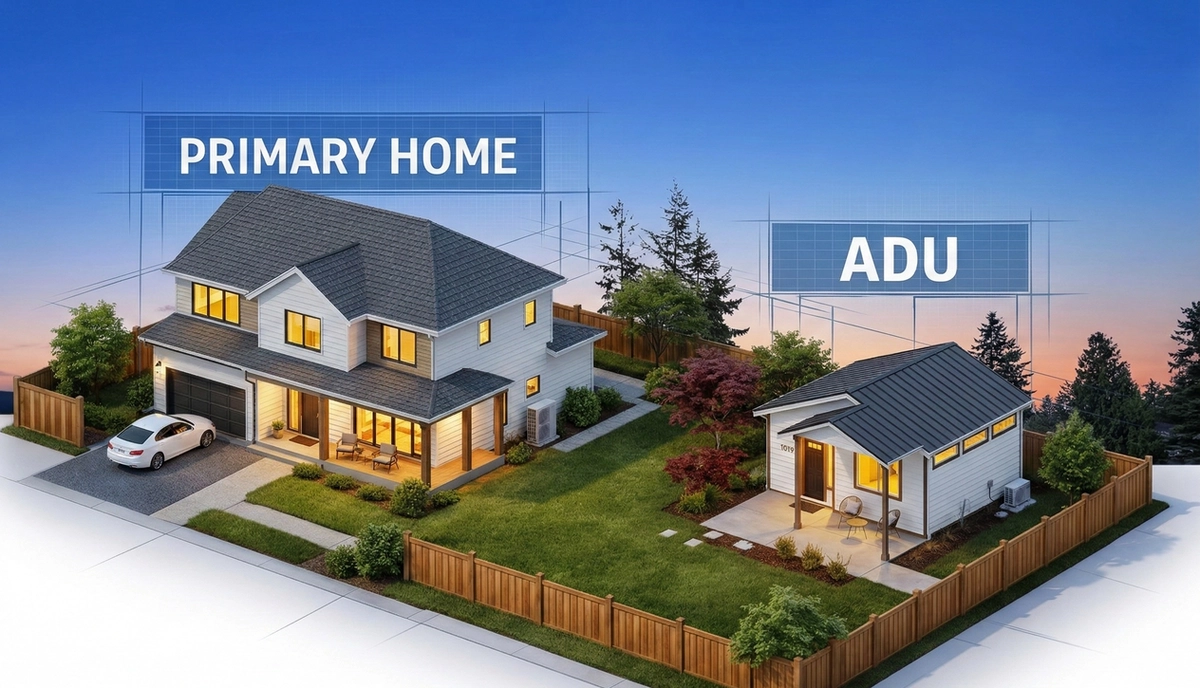
An Accessory Dwelling Unit (ADU) is a secondary housing unit built on the same lot as a primary residence.
ADUs are sometimes called:
- granny flats
- in-law suites
- guest houses
- backyard cottages
- garage apartments
An ADU typically includes:
- a separate entrance
- kitchen or kitchenette
- bathroom
- living or sleeping area
The unit can be attached to the main house or detached.
Why ADUs Are Popular Among Florida Investors
ADUs have become a strong strategy for real estate investors because they allow owners to generate additional rental income without purchasing another property.
1. Increased Property Value
Adding a legal ADU can significantly increase resale value and rental potential.
2. Multiple Rental Streams
Investors can rent:
- main house
- ADU
- both units separately
3. Short-Term Rental Opportunities
In some cities, ADUs can be used for Airbnb, vacation rentals, or guest housing. This depends heavily on local zoning and short-term rental laws.
4. Lower Construction Cost Than New Homes
Building an ADU is usually cheaper than building a new house because land is already owned, utilities may already exist, and infrastructure is partially in place.
Are ADUs Legal in Florida?
Yes, ADUs are legal in Florida, but local zoning regulations determine where they are allowed.
Florida state law encourages accessory dwelling units to increase affordable housing supply.
Florida Statute Section 163.31771 allows local governments to adopt ADU ordinances that support affordable housing.
However, cities still control lot size requirements, maximum ADU size, parking rules, and owner occupancy requirements. Because of this, rules vary significantly by city.
Typical ADU Zoning Requirements in Florida
While every city has different regulations, most municipalities include similar zoning requirements.
| Requirement | Typical Regulation |
|---|---|
| Zoning district | Residential zones only |
| Lot size | Minimum lot size may apply |
| Maximum ADU size | Usually 600-1,200 sq ft |
| Height limit | Often limited to 1-2 stories |
| Parking | Additional parking sometimes required |
| Owner occupancy | Required in some cities |
| Setbacks | Must follow accessory structure setbacks |
Because zoning rules differ, investors should always check with the local planning department before designing an ADU.
Types of ADUs Allowed in Florida
Detached ADU
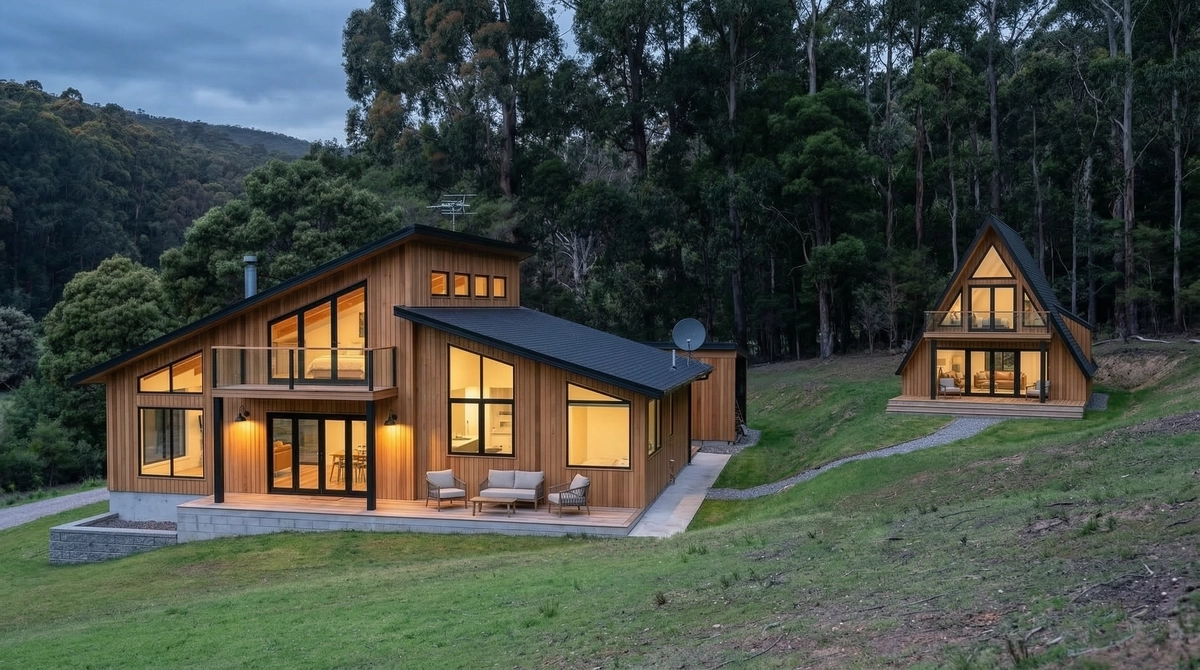
A detached ADU is a separate building located on the same lot as the primary residence.
Typical uses:
- rental unit
- guest house
- Airbnb unit
Advantages: privacy between units, highest rental value.
Disadvantages: higher construction cost, more zoning restrictions.
Attached ADU
An attached ADU shares at least one wall with the primary home.
Examples include home additions, in-law suites, and side extensions.
Advantages: lower construction cost, easier permitting in some cities.
Disadvantages: less privacy.
Garage Conversion ADU
Garage conversions are one of the most affordable ADU strategies.
Instead of building a new structure, investors convert an existing garage into a living space.
Advantages: lowest construction cost, faster permitting, existing structure already built.
Disadvantages: parking replacement may be required.
How to Build an ADU in Florida (Step-by-Step)
Step 1 - Check Local Zoning
Start by contacting the city planning department to confirm ADUs are allowed in your zoning district, verify minimum lot size, and identify maximum unit size.
Step 2 - Verify Property Restrictions
Confirm additional requirements such as HOA restrictions, flood zone regulations, utility connections, and septic capacity when applicable.
Step 3 - Design the ADU Plans
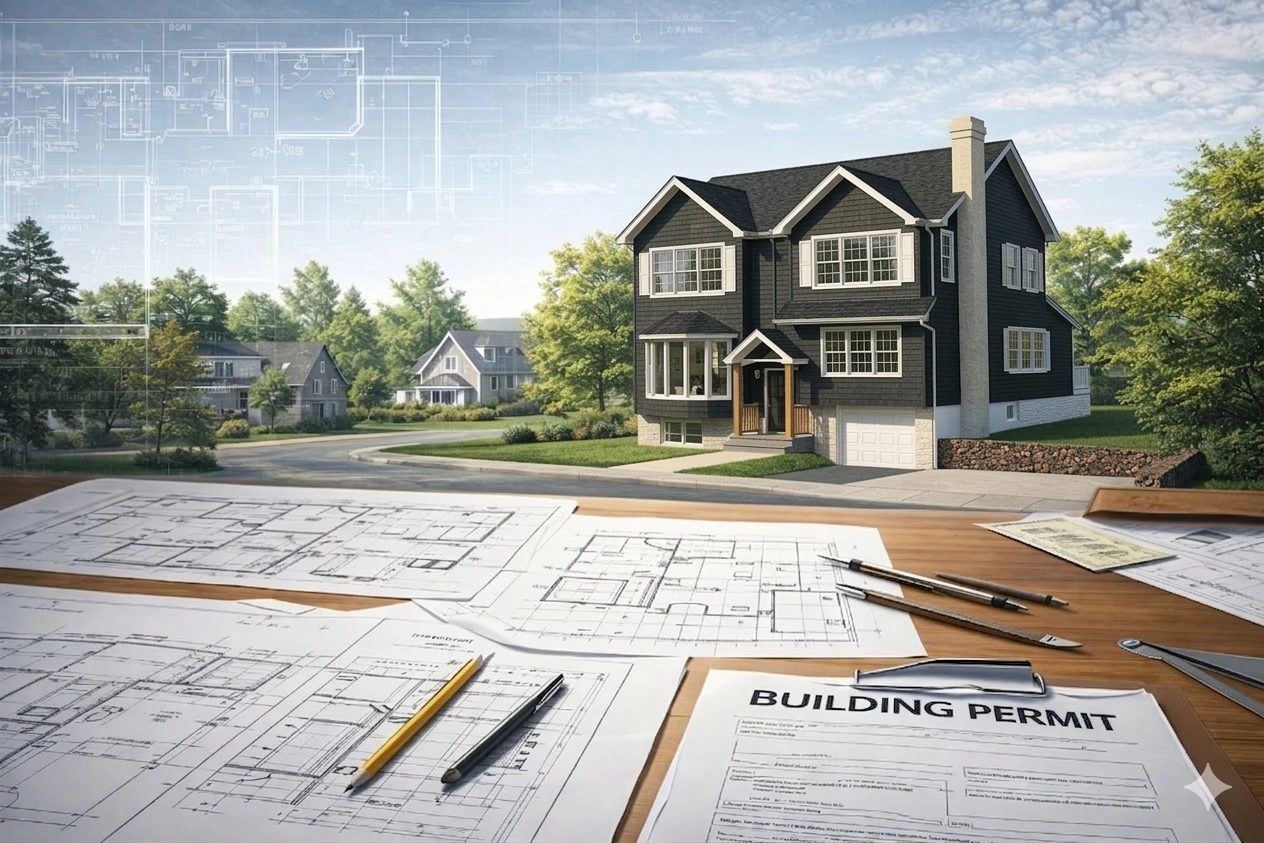
Architectural plans should include floor plans, elevations, site plan, structural drawings, and utility connections. Professional plans are typically required for permit approval.
Step 4 - Apply for a Building Permit
The permit application usually requires architectural plans, structural plans, energy compliance, mechanical and electrical plans, and a site plan.
Step 5 - Construction and Inspections
During construction, inspections typically include foundation, framing, electrical, plumbing, and final inspection. Once approved, the ADU receives a certificate of occupancy.
Average Cost to Build an ADU in Florida
Construction costs vary depending on size and location.
| ADU Type | Estimated Cost |
|---|---|
| Garage conversion | $60k - $120k |
| Attached ADU | $100k - $220k |
| Detached ADU | $150k - $350k |
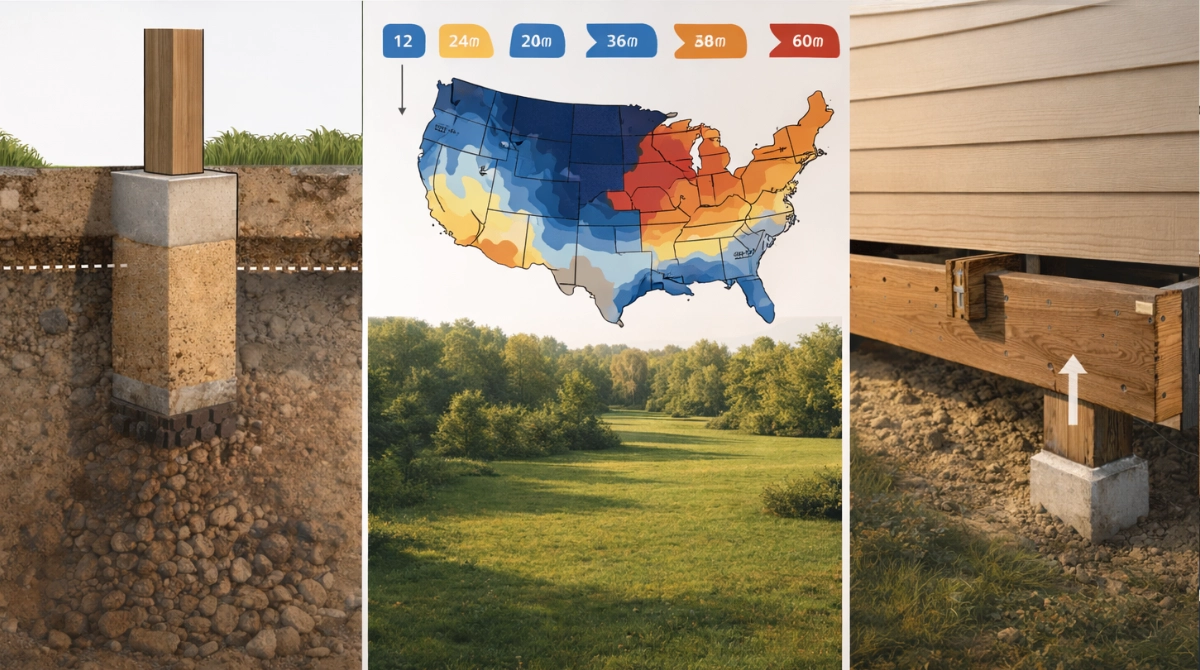
Factors affecting cost include location, utility connections, foundation requirements, and hurricane structural standards.
Best Florida Cities for ADU Investments
Some cities are more favorable for ADU development:
- Orlando
- Tampa
- Jacksonville
- Miami
- St. Petersburg
These cities have growing populations and increasing demand for affordable housing and rental units.
Common Mistakes Investors Make With ADUs
Many projects fail or get delayed because investors skip key steps. The most common mistakes include:
- not checking zoning rules
- building without permits
- ignoring parking requirements
- exceeding maximum ADU size
- violating setback regulations
These issues can lead to stop-work orders or permit denial.
Final Thoughts
ADUs represent one of the most powerful real estate strategies in Florida.
For investors, they offer additional rental income, increased property value, and flexible housing solutions.
However, success depends on understanding local zoning laws, permit requirements, and construction regulations.
Before starting an ADU project, always verify local regulations and work with professionals familiar with Florida building codes.
Work With Professionals Experienced in ADU Design
At EAD Drafting Services, we specialize in architectural drawings and permit plans for residential projects across the United States.
Our services include:
- ADU design and permit plans
- residential and commercial drawings
- structural coordination
- 3D modeling
If you are planning to build an ADU, our team can help you prepare professional plans that comply with local building codes and speed up the permit process.
FAQ - Florida ADU Laws
Are ADUs allowed everywhere in Florida?
No. ADU regulations are controlled by local municipalities. Some cities allow them widely, while others restrict them.
How big can an ADU be in Florida?
Most cities limit ADUs to 600-1,200 square feet, but this varies by zoning district.
Can I rent an ADU in Florida?
Yes. Many investors rent ADUs long-term, but short-term rentals depend on local regulations.
Do ADUs increase property value?
Yes. A legal ADU can increase both property value and rental income potential.