How to Apply for a Building Permit in Massachusetts
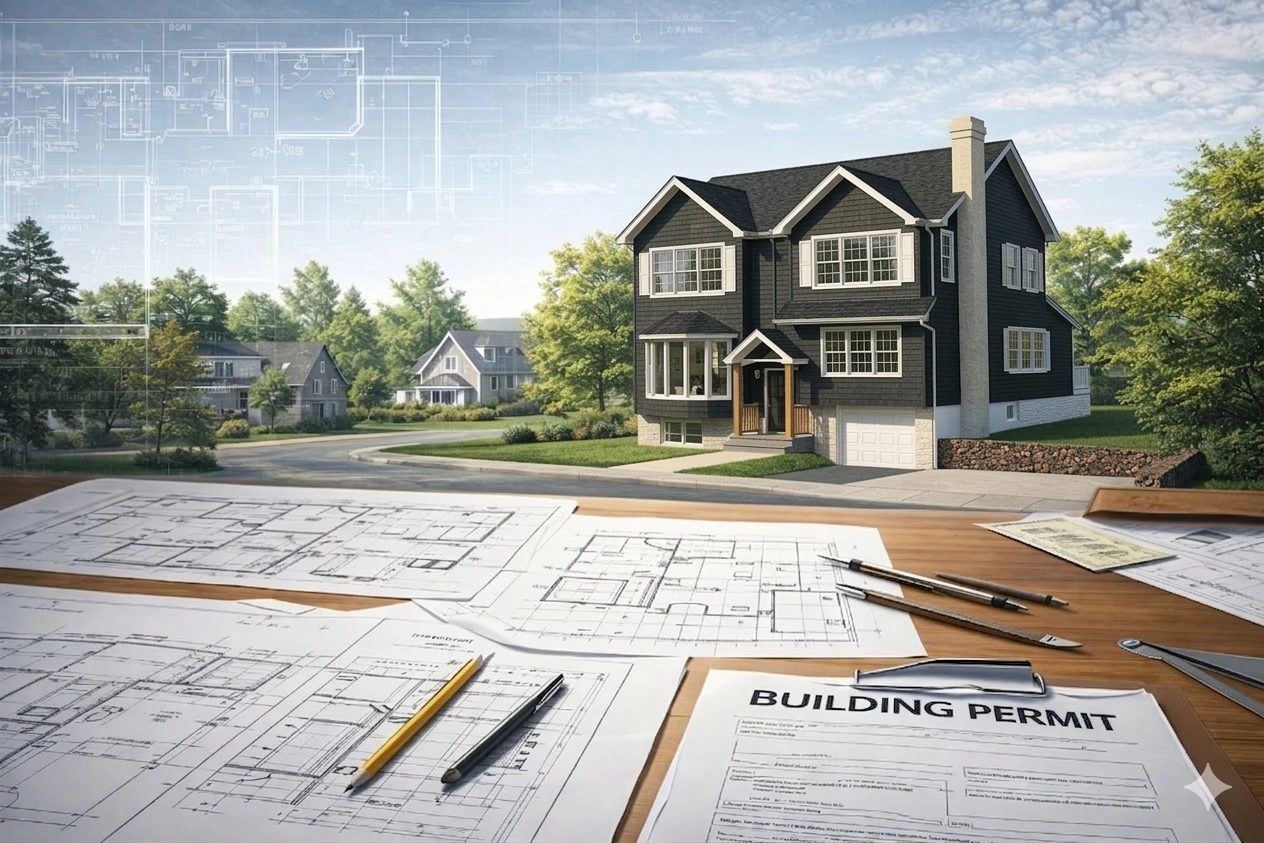
If you are planning to build, renovate, add square footage, finish a basement, or make structural changes to a property in Massachusetts, you will most likely need a building permit before starting construction.
Many homeowners, investors, and contractors are surprised to learn that the building permit process in Massachusetts is not handled by the state directly. Instead, permits are issued by the local building department of the city or town where the property is located.
That means the exact process can vary between places like Boston, Framingham, Wellesley, Marlborough, or Acton. However, the overall steps follow the same structure defined under the Massachusetts State Building Code (780 CMR).
In this guide, we explain how to apply for a building permit in Massachusetts step-by-step, what documents are typically required, and the most common mistakes that delay approvals.
What Is a Building Permit in Massachusetts?
A building permit is an official authorization issued by the local building department allowing construction work to begin.
The purpose of the permit is to ensure that the proposed project complies with:
- Massachusetts State Building Code (780 CMR)
- local zoning regulations
- safety standards
- structural requirements
- fire and life-safety codes
Projects typically requiring a permit include:
- home additions
- finishing basements or attics
- deck construction
- kitchen or bathroom remodels involving layout changes
- structural modifications
- garage conversions
- new construction homes
- demolition or major repairs
Even smaller projects may require permits depending on the scope of work.
When in doubt, always confirm with the local building department.
Who Should Apply for the Building Permit?
In Massachusetts, either the contractor or the homeowner can sometimes apply for the permit.
However, there is an important difference.
Most residential construction work requires the contractor to have an active Home Improvement Contractor (HIC) Registration.
If the homeowner pulls the permit instead of the contractor, the homeowner may lose protection from the Massachusetts Guaranty Fund, which protects homeowners against certain contractor violations.
For this reason, many homeowners prefer that the licensed contractor pulls the permit.
Step-by-Step: How to Apply for a Building Permit in Massachusetts
Step 1: Define the Scope of the Project
Before applying, clearly define what work will be done.
Examples include:
- building an addition
- finishing a basement
- replacing structural beams
- remodeling a kitchen
- constructing a deck
Your scope will determine what documents and approvals are required.
Step 2: Check Local Zoning and Pre-Approvals
Some projects require additional approvals before the building permit can be issued.
Depending on the municipality, you may need approvals from:
- zoning department
- planning board
- conservation commission
- fire department
- engineering department
- historic district commission
Skipping these steps is one of the most common reasons permits are delayed.
Step 3: Access the City or Town Permit Portal
Most Massachusetts municipalities now use online permitting systems.
To find the correct portal, search:
"[City Name] MA building permit application"
Examples:
- Boston Inspectional Services
- Framingham Online Permitting
- Marlborough Building Department
- Wellesley Inspectional Services
Each town may use a different software platform.
Step 4: Prepare the Required Documents
Most building permit applications require the following documents.
Building Permit Application Form
This includes:
- property address
- owner information
- contractor information
- estimated construction cost
- project description
Construction Plans
Plans may include:
- floor plans
- structural drawings
- framing details
- elevations
- construction notes
For larger projects, stamped architectural or engineering plans may be required.
Plot Plan or Site Plan
For exterior work such as:
- additions
- decks
- accessory structures
- new homes
A plot plan showing setbacks and property boundaries is usually required.
Signed Construction Contract
Many municipalities require a signed contract between the homeowner and contractor.
Contractor License Information
This may include:
- HIC registration number
- Construction Supervisor License (CSL)
- contractor contact information
Workers' Compensation Affidavit
Massachusetts requires proof that workers' compensation coverage exists or an affidavit confirming exemption.
Without this document, the permit application may be denied.
Homeowner Exemption Form (If Applicable)
If the homeowner is applying directly for the permit, municipalities often require a homeowner exemption affidavit.
Step 5: Submit the Application
Once all documents are ready:
- Log into the city permit portal
- Fill out the permit application
- Upload plans and documents
- Submit the application for review
The building department will then review the submission.
Step 6: Pay the Permit Fee
Permit fees vary by municipality and project size.
Fees are typically calculated based on:
- construction cost
- project square footage
- type of construction
The building department will notify the applicant once the fee amount is determined.
Step 7: Respond to Plan Review Comments
If the building inspector or reviewer identifies issues, they may request revisions.
Common requests include:
- missing documents
- incomplete drawings
- zoning conflicts
- insufficient structural information
- incorrect cost estimates
Respond quickly to avoid delays.
Step 8: Receive Permit Approval
Once approved:
- the permit will be issued
- a permit card must usually be posted at the job site
- construction may begin
Starting work before the permit is issued can lead to stop-work orders or fines.
Step 9: Schedule Inspections
Most projects require inspections during construction.
Typical inspections include:
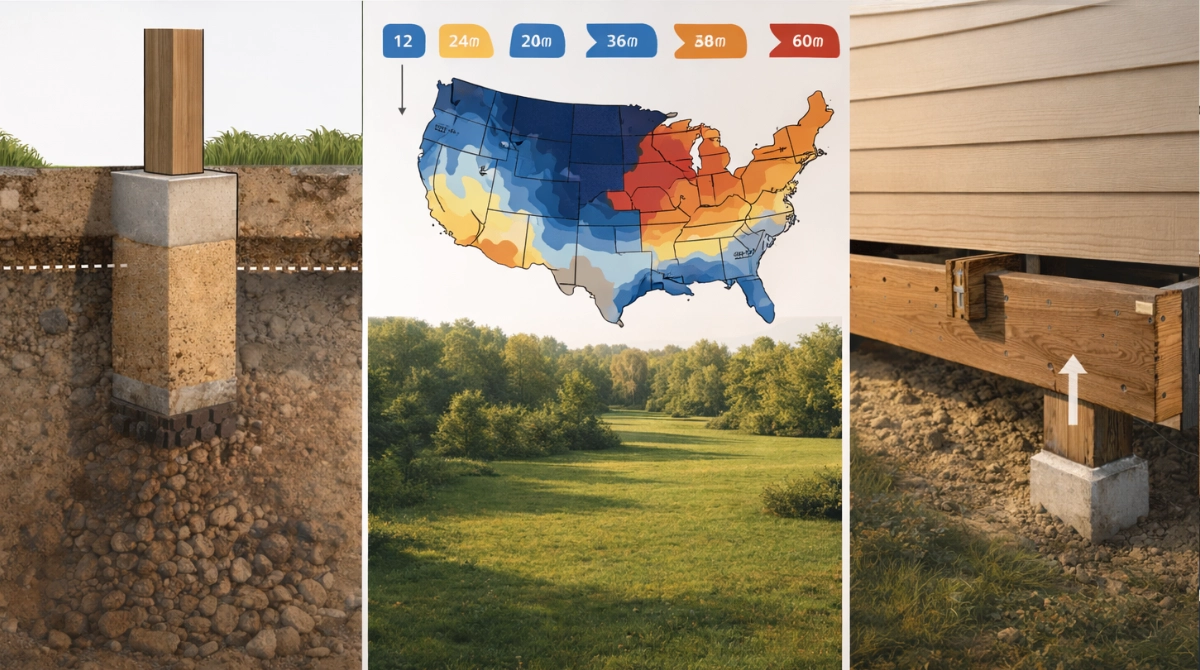
- foundation inspection
- framing inspection
- insulation inspection
- final inspection
Trade work may require separate inspections for:
- electrical
- plumbing
- gas
- HVAC
Step 10: Final Inspection and Permit Close-Out
After the project is complete and inspections pass, the building department will finalize the permit.
Always keep copies of:
- approved plans
- permit documents
- inspection records
These are important when selling or refinancing the property.
Common Building Permit Mistakes in Massachusetts
Applying without checking zoning rules
Zoning restrictions may affect:
- setbacks
- lot coverage
- building height
- use restrictions
Missing documents
Incomplete submissions are the most common reason permits are delayed.
Incorrect construction cost
Underestimating project cost can trigger permit review issues.
Homeowners pulling permits without understanding the risk
Homeowners may lose protection from the state contractor guaranty fund.
Need Help Preparing Plans for a Building Permit?
If you are planning a renovation, addition, or new construction in Massachusetts, having clear and code-compliant plans can significantly speed up the permit process.
EAD Drafting Services specializes in:
- architectural drafting
- construction plans for permits
- residential and commercial drawing sets
- 3D modeling and design visualization
Our team works with contractors, investors, and homeowners across Massachusetts and Florida, helping projects move smoothly through the permitting process.
If you need help preparing plans for your permit application, feel free to contact us.
Frequently Asked Questions
Do I need a permit for a bathroom remodel in Massachusetts?
Often yes. If plumbing fixtures are moved, walls are altered, or structural changes are involved, a permit is typically required.
Can homeowners pull their own permit?
Yes, but homeowners who apply for permits themselves may lose certain protections under the Massachusetts contractor guaranty fund.
Do I need stamped plans?
For larger projects such as additions or structural work, stamped architectural or engineering drawings may be required.
Is the permit process the same in every Massachusetts town?
No. Each city or town administers its own permit process, even though they follow the same state building code.
Conclusion
Applying for a building permit in Massachusetts may seem complicated at first, but the process becomes straightforward when you understand the steps and prepare the required documentation in advance.
The key is to:
- confirm local requirements
- prepare complete plans
- submit a full application
- respond quickly to reviewer comments
With proper preparation, most permit applications can move through the review process smoothly.